Leave Your Message
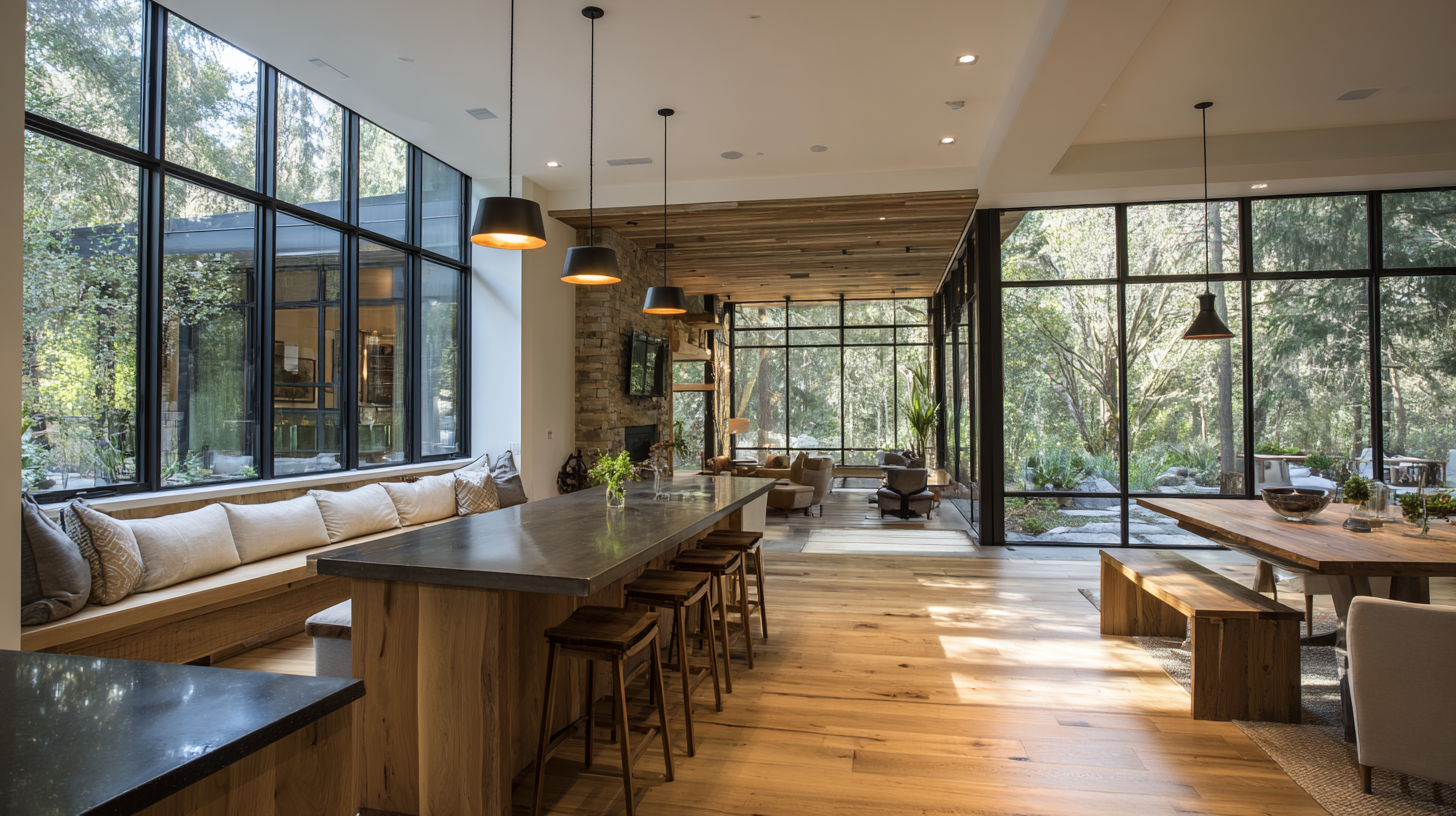
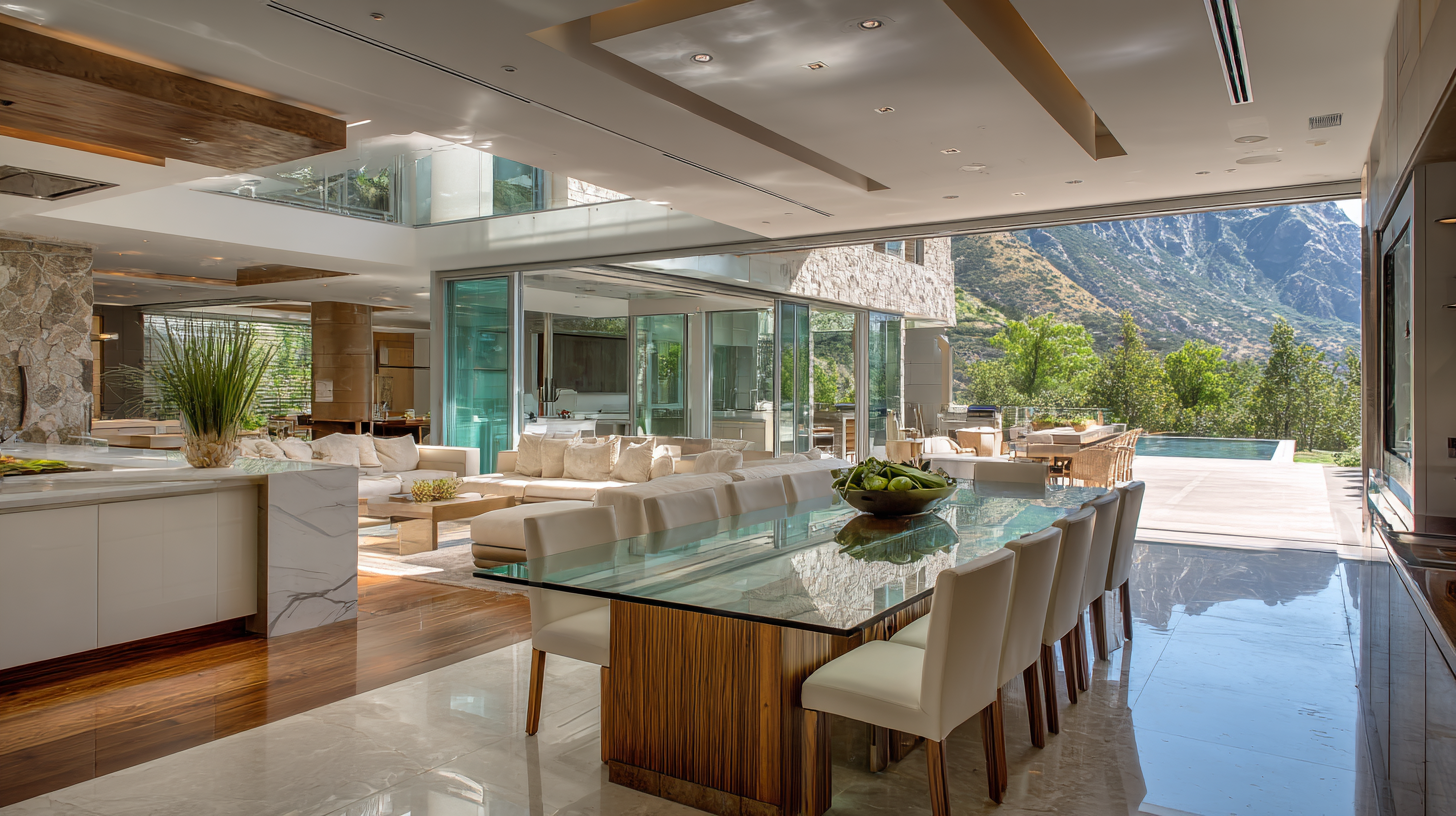
When you're thinking about sprucing up your home—making it look better and function more smoothly—there aren't many things that pack as much punch as high transparency glass. It's pretty amazing how it lets in tons of natural light while still giving you a clear view of the outdoors. No wonder so many homeowners and architects swear by it! This type of glass doesn’t just boost the overall look of a space; it also helps save energy, so it’s really a smart choice if you want beauty and sustainability to go hand in hand.
At Dongguan Fuxin Glass Technology Co., Ltd., we totally get how important it is to pick the right kind of glass for different uses. With over ten years of experience in all sorts of professional glass things, we’ve really pushed the boundaries—especially in display glass. We’ve developed some pretty cool stuff like AG glass, AR glass, AF glass, and AM glass. We’re all about research and innovation, so our customers don’t just get top-notch products—they also get solutions that are tailored to what they really need.
In this article, I’ll share 10 handy tips for choosing high transparency glass for your home. Whether you’re thinking about new windows, doors, or room dividers, these tips will help you make smart choices. The idea is to help your space look fantastic and perform even better, thanks to the clarity and style that high transparency glass can offer.
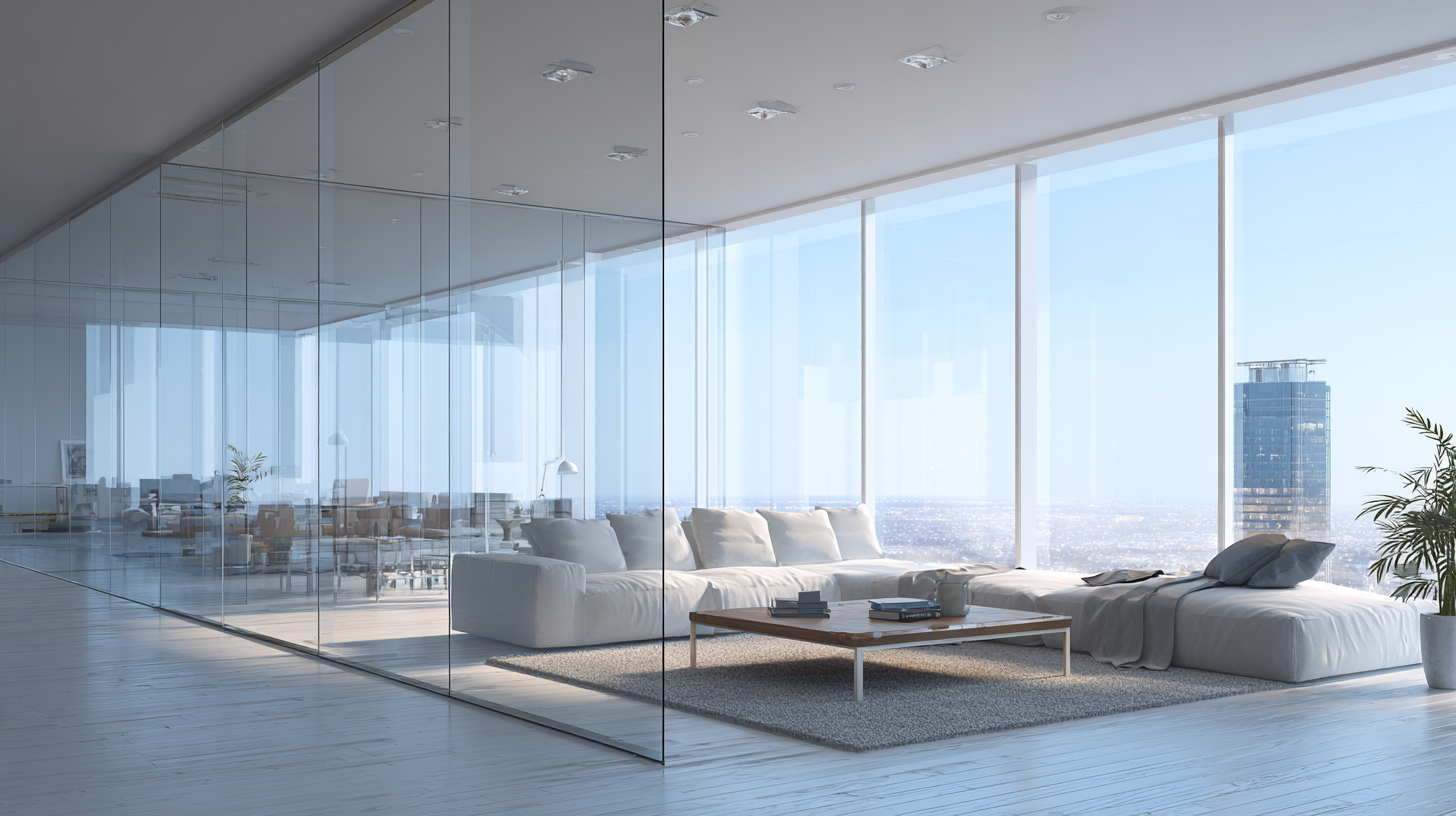
When selecting high transparency glass for your home, several key factors should be taken into account to ensure optimal performance and aesthetic appeal. Transparency levels can significantly impact the amount of natural light entering your space; according to the Glass Association, glass with up to 90% visible light transmittance (VLT) allows maximum sunlight while minimizing glare. This is essential for creating bright and inviting living spaces, especially in areas where daylight is limited.
Another critical factor is thermal insulation. The National Glass Association reports that insulated glazing can reduce energy costs by up to 30% when compared to single-pane glass. When choosing high transparency glass, look for options that incorporate Low-E coatings, which reflect infrared light to maintain internal temperatures while still allowing for excellent visibility. Additionally, consider the glass thickness and frame type, as these elements work together to enhance both energy efficiency and safety without compromising aesthetics. The combination of these factors will help you select the ideal high transparency glass solution tailored to your home’s needs.
| Tip No. | Factor | Description |
|---|---|---|
| 1 | Clarity | Look for glass with minimal impurities for better clarity and visual appeal. |
| 2 | Thickness | Choose appropriate thickness based on application to ensure safety and durability. |
| 3 | UV Protection | Opt for high transparency glass that blocks harmful UV rays to protect interior furnishings. |
| 4 | Energy Efficiency | Select glass with insulating properties to improve energy efficiency of your home. |
| 5 | Safety | Consider tempered or laminated glass to enhance safety, especially for large windows. |
| 6 | Maintenance | Choose glass that is easy to clean and maintain for long-lasting clarity. |
| 7 | Aesthetics | Consider the overall design and how the glass complements your home's architecture. |
| 8 | Cost | Evaluate your budget and balance between quality and affordability of glass options. |
| 9 | Regulatory Compliance | Ensure the selected glass meets local building codes and standards. |
| 10 | Installation | Hire a professional for installation to ensure optimal performance and longevity of the glass. |
The market for tempered glass has seen significant advancements, particularly with the introduction of 0.5mm Ultra-Clear and double-sided Anti-Glare (AG) treatments. According to industry reports, the demand for ultra-clear tempered glass is expected to grow at a compound annual growth rate (CAGR) of over 6% in the next five years, driven by the increasing need for high-quality visual displays in sectors such as electronics, architecture, and automotive. The introduction of a 0.5mm thickness provides an optimal balance of durability and clarity, making it an attractive option for various applications.
The dual-sided AG treatment not only enhances the aesthetic appeal of the glass but also significantly improves the user experience. This innovative coating effectively reduces reflections and minimizes fingerprints, ensuring a clean and clear surface that maintains its pristine condition longer. With a smooth matte texture, this tempered glass is perfect for modern displays, frameless installations, and high-end furniture, appealing to consumers seeking both functionality and style. By improving visibility from all angles, manufacturers can meet the growing expectations of users who prioritize clarity and comfort in their daily interactions with technology and design.
: Look for glass with up to 90% visible light transmittance (VLT) to maximize sunlight while minimizing glare.
Insulated glazing can reduce energy costs by up to 30% compared to single-pane glass, especially when Low-E coatings are used.
Clarity, structural integrity, and production methods play significant roles in determining the quality of high transparency glass.
Use soft, lint-free cloths and gentle cleaners, avoiding harsh chemicals and abrasive scrubbers to maintain clarity and prevent scratches.
High humidity can impact the integrity of the glass, so proper ventilation should be maintained to reduce moisture build-up.
Ask about the production methods used and standards met regarding haze, anisotropy, and clarity to ensure high-quality glass.
Yes, glass thickness and the type of frame enhance energy efficiency and safety without compromising aesthetics.
Regular dusting and immediate cleaning of spills are recommended to keep the glass in pristine condition.
High Transparency Glass is an essential element in modern home design, offering numerous benefits such as enhanced natural light and aesthetic appeal. When selecting high transparency glass for your home, it is crucial to consider factors such as material types, quality evaluation, and energy efficiency. Understanding the different types of high transparency glass materials, including options developed by companies like Dongguan Fuxin Glass Technology Co., Ltd., can significantly impact your choices.
Additionally, maintaining high transparency glass properly ensures longevity and clarity, ensuring that your residential spaces remain bright and inviting over time. With over a decade of expertise in various glass fields, Fuxin Glass emphasizes the importance of innovation in display glass technologies like AG, AR, AF, and AM glass, catering to the evolving needs of homeowners. By following the right tips, you can make informed decisions that enhance your living environment.