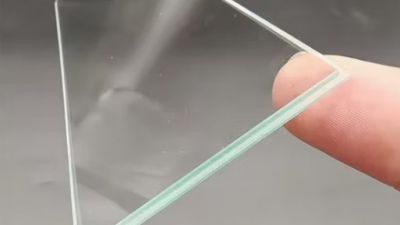
Lately, there's been a real uptick in demand for Custom Fto Glass across a bunch of industries. I came across a report from Global Market Insights that predicts the global glass market might hit around $152 billion by 2026 — talk about growth! This just shows how versatile and popular specialized glass products like Custom Fto Glass have become.
What’s cool about Custom Fto Glass is that it offers some pretty unique perks, like better thermal efficiency and top-notch optical qualities. It’s really tailored for specific projects, especially in architecture and energy-saving setups. For example, buildings with these glasses could cut down their energy use by as much as 30%, according to the U.S. Department of Energy — that's a noticeable difference!
Of course, it’s not all smooth sailing. There can be a few hurdles, like making sure you get your glass from reliable suppliers. Some companies might struggle to keep the quality consistent, which can throw off project timelines and blow the budget. So, picking the right materials and manufacturer is really key. All in all, using Custom Fto Glass can totally transform a project, but it’s important to stay aware of potential challenges along the way.

What is Custom FTO Glass and Its Applications?
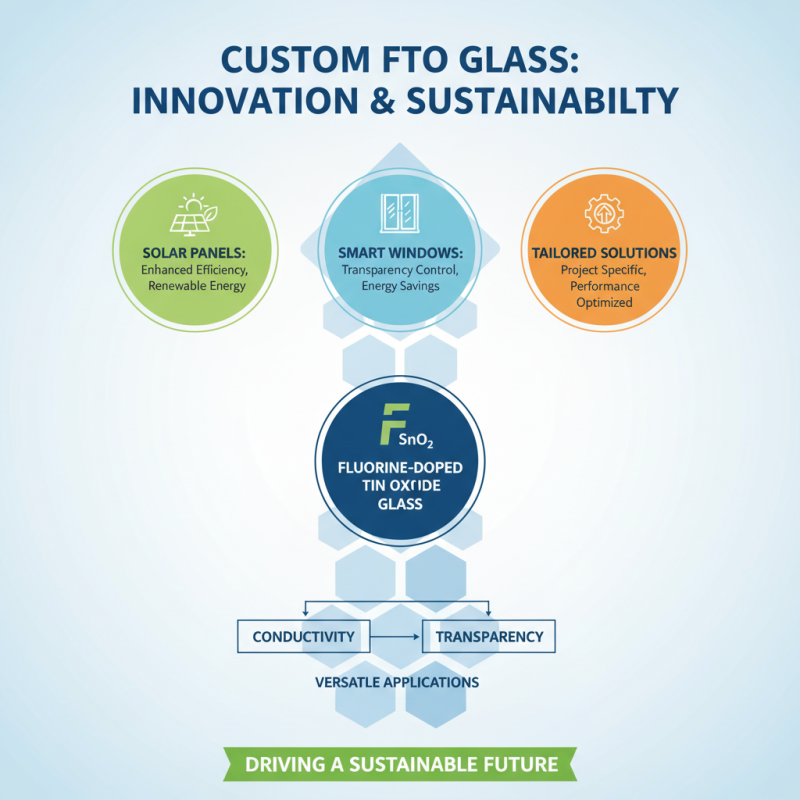
Custom FTO (Fluorine-doped Tin Oxide) glass has gained attention in various applications. This specialized glass type exhibits unique properties, such as high transparency and conductivity. Research indicates that FTO glass can achieve a transmittance of up to 90% in the visible spectrum. This parameter makes it suitable for solar cells and touch screens.
In photovoltaic applications, FTO glass serves as a vital electrode material. Studies show that incorporating FTO in solar cells can enhance efficiency by 20% compared to conventional front electrodes. This advantage leads to improved energy output. Besides solar energy, FTO glass is also employed in smart windows, where it regulates heat and light. These applications are gaining traction, given the global push for energy-efficient technologies.
However, challenges exist. The production process of FTO glass can be complex and costly. Variations in the quality of materials may affect performance. Differing environmental factors can also play a role in the effectiveness of FTO applications. Assessing these aspects is crucial for future development. Emphasizing quality control during manufacturing could yield better results in real-world settings.
Key Advantages of Using Custom FTO Glass in Projects
Custom FTO glass (fluorine-doped tin oxide) is gaining traction in various projects due to its unique properties. One major advantage is its high electrical conductivity, which stands out when compared to competing materials. Reports show that FTO glass can achieve a transmittance of over 80% in the visible spectrum. This characteristic is crucial in applications like solar cells and touch screens where light management is vital.
Another benefit is its durability under harsh conditions. FTO glass displays superior chemical stability. It can resist moisture, acids, and alkalis, enhancing its longevity in demanding environments. According to industry data, projects utilizing FTO glass reported a significant reduction in replacement costs over time.
On the downside, the customization process can sometimes increase lead times. Projects may face delays during production, especially if specific dimensions and coatings are required. This can be a critical factor for time-sensitive projects. Industry feedback suggests that balancing customization and efficiency should be a focus area for future improvements.
Factors to Consider When Choosing FTO Glass for Your Needs
When considering FTO glass for your projects, it's essential to focus on specific factors that will influence your decision. The transparency level is crucial. High transparency is ideal for applications in solar cells or displays. However, finding the right balance between transparency and cost can be challenging. It’s important to assess your project’s unique needs before settling on a type.
Another significant aspect is the thickness of the glass. Thicker glass can provide durability and resistance to breakage. However, it can also increase weight, which may not be suitable for all applications. Evaluating the structural requirements is vital here. You might want to experiment with various thicknesses to find the optimal choice.
Also, keep an eye on the glass's conductivity. Ensuring suitable electrical performance requires careful selection based on your project's demands.
Lastly, surface treatment can affect performance too. While some treatments enhance adhesion, others improve a glass’s anti-reflective properties. Reflecting on how these treatments correlate with your project can save you future headaches. Understanding these factors leads to better decision-making and project outcomes.
Comparison of Custom FTO Glass vs. Standard Glass Options
When considering materials for your projects, it's crucial to compare custom FTO glass with standard options. Custom FTO glass offers unique advantages. It enhances conductivity and transparency. These features make it ideal for applications like solar cells and display technology. Standard glass lacks these specialized properties. Using standard glass might lead to inefficiencies. This could impact the overall performance of your project.
Moreover, custom FTO glass can be tailored to specific sizes and thicknesses. This flexibility allows for better integration into various designs. Standard glass often comes in fixed dimensions, which could limit creativity. Custom options are often more expensive. However, the investment may offer greater long-term benefits. Consider how much performance matters to your project. Sometimes, a cheaper solution might not deliver the desired results.
Reflecting on these choices is essential. Standard options can seem easier and quicker. Yet, they may not always meet your project needs. Delving deeper into custom options could reveal surprising benefits. Evaluating the trade-offs is part of the decision process. Robust solutions often come with complexity. Embracing this complexity may lead to innovative results.
Impact of Custom FTO Glass on Energy Efficiency and Sustainability
Custom FTO (Fluorine-doped Tin Oxide) glass is gaining attention for its role in energy efficiency and sustainability. It enhances photovoltaic systems by increasing their efficiency. According to a recent industry report, FTO glass can boost energy conversion rates by 20%. This material allows for better light transmission and improved conductivity, which is crucial for solar applications.
Using custom FTO glass can reduce energy consumption in buildings. Reports show that buildings with energy-efficient materials reduce their overall carbon footprint by up to 30%. Customization options enable designers to tailor glass specifications to specific energy needs. This flexibility leads to innovative designs and improved thermal performance.
Tips: Choose FTO glass based on your project requirements. Analyze local climate conditions to optimize performance. Regular maintenance is needed to ensure longevity and efficiency of installations. Reflect on the balance between aesthetics and functionality—it's essential for both energy savings and visual appeal. Custom FTO glass is indeed a responsible choice for modern construction.
Best Practices for Handling and Installing Custom FTO Glass
When dealing with custom FTO glass, proper handling and installation are crucial. Always wear appropriate safety gear during installation. Thin, fragile glass requires care to avoid breakage. Inspect the glass for any defects before use. A single chip can impact performance.
Ensure your work area is clean and free of debris to prevent accidents.
When installing, use UV bonding adhesives for a secure fit. These adhesives ensure a strong bond without compromising the glass surface. Avoid excessive pressure during placement; this can lead to stress fractures. It's crucial to allow adhesives to cure fully before using the glass.
Patience is necessary; rushed installations often lead to issues later.
Considerations for temperature are important too. FTO glass can expand or contract with temperature changes. Installing in extreme conditions can cause warping.
A suitable sealant can help manage these fluctuations. Testing the installed glass for functionality is key. Sometimes, the best practices come from reflecting on past mistakes.
Learning from errors can lead to better outcomes in future projects.
Future Trends in Custom FTO Glass Technology and Innovations
Custom fluorine-doped tin oxide (FTO) glass is gaining traction in various fields. As technology advances, the application of FTO glass becomes more innovative. This transparency and conductivity offer significant benefits, particularly in solar panel production and smart window technologies. The emphasis is increasingly on sustainability, which drives demand for custom solutions tailored to specific project needs.
Future trends promise exciting developments in FTO glass technology. Enhanced coatings can improve performance and durability in harsh environments. The integration of advanced nanomaterials may further refine the efficiency of this glass. However, challenges remain. Not all applications benefit equally from these advancements. Some projects may struggle with the cost of custom solutions. Careful consideration is necessary to assess whether the investment is justified. Aligning technology with specific project goals is critical for success.
Moreover, innovations in manufacturing processes could streamline production, making it more accessible for various industries. Embracing new techniques may lead to cost-effective solutions with fewer limitations. Still, one must critically examine these innovations. Are they truly suitable for every application? Balancing performance, affordability, and durability will be key in shaping the future of FTO glass technology.
Enhancing Display Durability: The Benefits of Premium Anti-Glare Tempered Glass Covers with Custom AG Frosted & Low Iron Technology
In today's digital age, screen durability and visual clarity are paramount for optimal user experiences. The utilization of premium anti-glare tempered glass covers, particularly those incorporating custom AG frosted and low-iron technology, has become a game changer in protecting electronic displays. According to a report by the Display Industry Association, displays often lose up to 30% of their visibility due to glare under bright lighting conditions. This is particularly impactful in public applications like kiosks and digital signage, where optimal visibility is crucial.
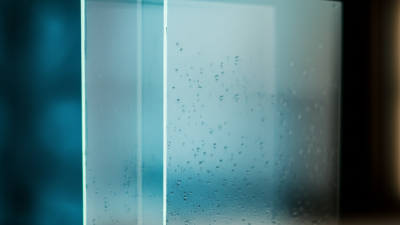
The implementation of a custom 70-80% anti-glare frosted finish significantly mitigates this issue. By utilizing acid-etched and sandblasted techniques, these tempered glass covers not only provide a uniform matte texture but also enhance the user experience by minimizing reflections. Research has shown that screens treated with anti-glare technology can improve user interaction by as much as 20%, as users are less distracted by external light sources. More than just reducing glare, these glass covers also boast enhanced scratch resistance and lower fingerprint retention, making them ideal for high-traffic environments.
Furthermore, low-iron clarity ensures that the vividness of colors is preserved, promoting exceptional visual sharpness that is critical for tasks requiring precision. As noted in a study by the International Screen Protection Consortium, displays with superior glass protection exhibit a 35% increase in longevity and durability compared to standard glass options. This advancement not only protects investments in technology but also enhances overall viewer comfort, making premium tempered glass covers an indispensable asset in any display environment.
FAQS
: Regular exercise improves physical health. It enhances mood and boosts energy levels. It can also help with weight management.
Begin with small steps. Choose activities you enjoy. Setting realistic goals helps maintain motivation and consistency.
Aim for at least 150 minutes of moderate activity weekly. Short sessions can add up. Listen to your body’s needs.
Focus on balanced meals. Include protein, carbs, and healthy fats. Consider hydration, too. Water is essential for energy.
Find a workout buddy. Keep track of progress. Stay flexible with your routine; it’s okay to have off days.
Overtraining is one mistake. Ignoring rest days can lead to burnout. Not varying workouts can also hinder progress.
Make them specific and measurable. Assess your current level. Adjust goals as you improve; it’s okay to rethink plans.
Light exercise can actually boost energy. However, listen to your body. Rest is vital for recovery and long-term success.
Conclusion
Custom FTO Glass, or fluorine-doped tin oxide glass, is a versatile material widely utilized in various applications, including solar cells, sensors, and smart windows. Its unique properties enhance conductivity and transparency, making it a preferred choice for modern projects. The key advantages of using Custom FTO Glass include its superior energy efficiency, tailored specifications to meet project needs, and potential for sustainability innovations.
When selecting Custom FTO Glass, it's essential to consider factors such as thickness, coating requirements, and compatibility with other materials. Additionally, understanding the differences between Custom FTO Glass and standard glass options can aid in decision-making. Best practices for handling and installation ensure the material’s longevity and effectiveness. As technology evolves, future trends indicate exciting advancements in Custom FTO Glass, promising enhanced performance and new applications in energy management and beyond.